12 Best Low Carb Korean Food Dishes in Jackson Hole
Low carb Korean food covers more ground than most diners realize. Korean cuisine relies on grilled meats, fermented vegetables, tofu, eggs, and broth-based soups, which means many dishes are already built for lighter eating. Rice, noodles, and sweet sauces push the carb count up, but skipping or swapping them keeps the flavor intact.
For anyone searching for Korean food in Jackson Hole , Bapp Korean Restaurant is the go-to local option. Bapp has served the valley for over 10 years, prepares authentic Korean food from scratch, and features favorites like bibimbap and Korean BBQ at its Jackson location on West Broadway.
What Is Low Carb Korean Food?
Low carb Korean food focuses on protein, vegetables, tofu, eggs, and fermented sides while keeping starchy ingredients minimal. In Korean cuisine, the main high-carb items are white rice, noodles, rice cakes, and certain sweet sauces. Lower-carb staples include grilled beef, pork, chicken, kimchi, lettuce wraps, tofu, and egg-based dishes.
That balance is one reason Korean food fits so many different eating styles. Diners can get bold, layered flavor without building every plate around rice. At Bapp Korean Restaurant, the menu centers on authentic Korean cooking, and many dishes can be adjusted to work within a lower-carb plan.
Why Korean Food Is Perfect for a Low Carb Diet
Korean food fits lower-carb eating naturally because most dishes start with protein and vegetables rather than starch. Grilled meats, soups, tofu, eggs, and banchan can build a filling meal without a rice base.
Kimchi deserves a specific mention here. It is fermented cabbage, typically low in carbs, and widely included in discussions around gut health and fermented foods.
Non-starchy vegetables are another major advantage. Lettuce wraps, vegetable-forward banchan, tofu dishes, and broth-based soups keep carb counts low while adding real nutritional value to the meal.
12 Best Low Carb Korean Food Dishes
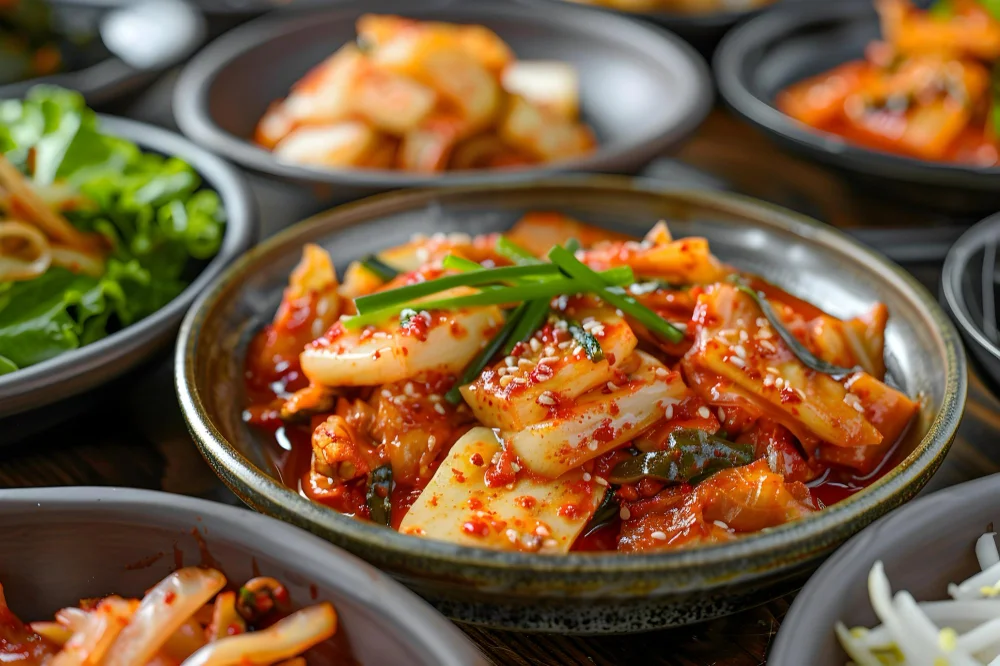
1. Kimchi
Kimchi is one of the most accessible starting points for keto Korean dishes. Tangy, spicy, and fermented, it is low in carbs compared to rice or noodle-based dishes and adds serious flavor without sugary sauces. According to nutrition data from the USDA FoodData Central , a half-cup of kimchi contains roughly 4 grams of carbohydrates, making it one of the most diet-friendly staples in Korean cuisine.
2. Korean BBQ
Low carb Korean BBQ is one of the easiest wins at any Korean restaurant. Grilled pork belly, beef short ribs, or chicken can anchor a lower-carb meal when paired with lettuce wraps and kimchi instead of rice. Watch marinades carefully, as some versions contain added sugar.
3. Low Carb Bibimbap
Traditional bibimbap includes white rice, but low carb bibimbap works well with cauliflower rice or extra vegetables in its place. The protein, fried egg, sautéed vegetables, and gochujang-forward flavor still deliver the dish's comfort without the starch load.
4. Dubu Kimchi
Dubu kimchi pairs tofu with kimchi for a simple dish that fits the healthy Korean dishes category well. Tofu adds protein and texture; kimchi brings acidity and heat.
5. Gyeran Jjim
Korean steamed eggs are soft, savory, and naturally carb-free. Gyeran jjim works as a side dish or light meal for anyone who wants something warm and filling without rice or noodles.
6. Sundubu Jjigae
Soft tofu stew belongs on any keto Korean food list. It is built around tofu, broth, vegetables, and often seafood or meat. Skipping the rice that typically comes alongside keeps the meal low in carbs.
7. Bossam
Bossam features slow-cooked pork served with leafy greens for wrapping. That lettuce-wrap format makes it one of the most naturally low-carb options in Korean cuisine. It is rich without being heavy and easy to customize.
8. Korean Beef Bowl, Keto Style
A Korean beef bowl becomes one of the most practical Korean low carb recipes when made without rice. Ground or sliced beef, sesame oil, garlic, and vegetables over cauliflower rice creates a fast and filling low-carb version.
9. Seaweed Soup
Miyeokguk is lighter than most noodle-based dishes and fits well into a lower-carb meal plan. Paired with a protein-focused main, it adds nutrition and warmth without adding significant carbs.
10. Dakkochi
Chicken skewers are a practical protein option for anyone avoiding the heaviness of a rice bowl. The key variable is the sauce. A less sugary glaze, or sauce served on the side, keeps dakkochi aligned with low carb Korean food goals.
11. Lettuce Wraps
Ssam is one of the most flexible lower-carb ways to eat Korean food. Grilled meat, kimchi, garlic, and vegetables wrapped in crisp lettuce leaves replace rice without sacrificing any of the flavor.
12. Banchan
Not every banchan dish is low carb, but many are. Kimchi, seasoned spinach, bean sprouts, cucumber salad, and other vegetable-based sides can round out a lighter meal without adding significant starch. This variety is one of the reasons Korean cuisine shows up consistently in healthy Korean dishes conversations.
What to Avoid in Korean Food
Certain Korean dishes and ingredients raise carb counts quickly. The main ones to limit include white rice, tteokbokki (rice cakes), ramen and other noodle dishes, japchae in large portions, and sweet marinades or dipping sauces.
Many sauces contain hidden sugars, so asking before ordering is always worth the extra step. That one question can keep a meal aligned with keto Korean food or low carb Korean BBQ goals without requiring major changes to the order.
How to Eat Low Carb at a Korean Restaurant
Eating low carb at a Korean restaurant is mostly a matter of ordering strategy rather than restriction. The easiest approach is to anchor the meal in grilled meats, tofu, eggs, and vegetable-based sides.
The American Diabetes Association notes that non-starchy vegetables are generally low in carbohydrate and can have a smaller impact on blood glucose than starch-heavy alternatives. That guidance translates directly to Korean restaurant ordering: choose kimchi, seasoned greens, bean sprouts, and cucumber banchan over rice-based sides whenever possible.
Practical tips include choosing grilled proteins first, skipping or reducing rice, using lettuce wraps instead of a rice base, asking for sauce on the side, selecting kimchi and vegetable banchan, and choosing tofu-based stews over noodle dishes.
Bapp Korean Restaurant supports this approach well. Known for authentic Korean food in Jackson, with menu staples like bibimbap and Korean BBQ, Bapp gives diners the flexibility to order thoughtfully without limiting their options.
Low Carb Korean Food in Jackson Hole
Diners looking for the best Korean food in Jackson Hole with a lighter focus will find a solid local answer at Bapp Korean Restaurant. The restaurant has served the valley for over 10 years and describes itself as Jackson's authentic Korean restaurant. The Jackson location at 340 W Broadway is convenient for both locals and visitors searching for a Korean restaurant in Jackson Hole .
Bapp fits the intent behind searches like "healthy Korean restaurant Jackson Hole" because Korean food is already structured around grilled meats, kimchi, soups, tofu, and customizable portions. Whether the goal is strict keto or simply cleaner eating, authentic Korean flavors can accommodate both.
Easy Low Carb Korean Recipes to Try at Home
Low Carb Bibimbap
Start with cauliflower rice instead of white rice. Add sautéed spinach, mushrooms, zucchini, bean sprouts, and ground or sliced beef, then top with a fried egg. Keep the sauce light and skip sugar-heavy additions. This is one of the most approachable Korean low carb recipes to make at home.
Keto Korean Beef Bowl
Cook ground beef with garlic, ginger, sesame oil, and coconut aminos or a low-sugar soy alternative. Serve over cauliflower rice with sliced cucumber and kimchi on the side. This is one of the more practical keto Korean dishes for weeknight cooking and comes in at roughly 4 to 5 net carbs per serving.
Low Carb Korean Food for Keto vs. Regular Diet
Diet
- Keto
- Low Carb
- Balanced
What to Eat
- Meat, tofu, kimchi, eggs, lettuce wraps
- Add non-starchy vegetables and small portions of starch as needed
- Include rice occasionally alongside protein and vegetable-heavy sides
Final Thoughts
Korean food is flavorful, filling, and lower in carbs when diners know what to order. Grilled meats, kimchi, tofu, eggs, lettuce wraps, and lighter soups make it possible to enjoy low carb Korean food without giving up variety or satisfaction.
For anyone in Jackson Hole ready to explore authentic Korean cuisine, Bapp Korean Restaurant is the place to start. Visit Bapp Korean Restaurant at 340 W Broadway in Jackson, explore the full menu online, and find out why locals have trusted Bapp for over a decade.
FAQs
Is Korean food good for low carb diets?
Yes. Many Korean meals work well for lower-carb eating because they center on grilled meats, tofu, eggs, broth-based soups, and vegetable sides rather than starch.
Can Korean BBQ fit a keto diet?
Yes. Low carb Korean BBQ fits keto when the meal focuses on grilled meat, lettuce wraps, kimchi, and sauces without added sugar.
What is the lowest carb Korean dish?
Kimchi, steamed eggs, grilled meats, tofu-based dishes, and lettuce wraps are consistently among the lowest-carb options in Korean cuisine.
Is bibimbap low carb?
Traditional bibimbap is not low carb because it includes white rice. Low carb bibimbap works when rice is replaced with cauliflower rice or additional vegetables.
What should diners avoid when ordering keto Korean food?
Rice, noodles, rice cakes, and sweet sauces are the main items to limit when ordering keto Korean food.


