Is Korean Food Good for You? Benefits & Healthy Choices
Yes, Korean food is generally healthy when it is built around traditional staples like vegetables, rice, soups, grilled proteins, and fermented side dishes. Many Korean meals naturally include fiber, vitamins, minerals, and a mix of carbohydrates, protein, and plant-based ingredients. Fermented foods like kimchi may also support gut health, though sodium can be a concern in some dishes. At Bapp Korean Restaurant, the focus is on authentic Korean meals made from scratch, including bibimbap and Korean BBQ, which fits well with the idea of balanced, flavorful eating.
What Makes Korean Food Healthy?
1. High in Vegetables
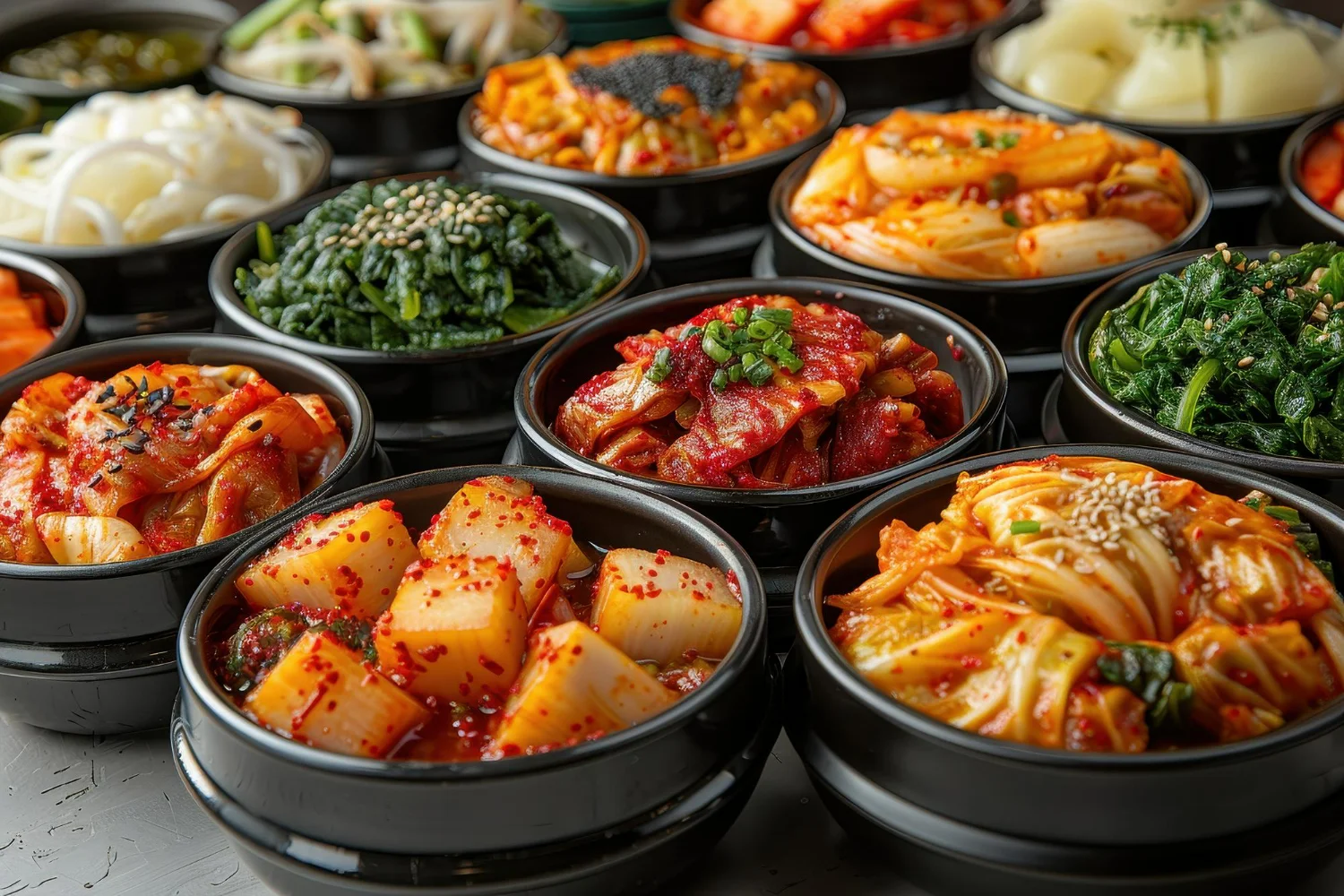
One reason people ask, “Is Korean food good for you?” is because Korean cuisine often includes multiple vegetable-based side dishes, commonly known as banchan. Traditional Korean eating patterns also emphasize plant foods, which can help increase fiber and micronutrient intake.
Meals built around vegetables tend to be more filling without being overly heavy, which is one reason Korean food is often seen as a smart option for anyone looking for healthy Asian food. Research on traditional Korean dietary patterns has also noted the strong presence of vegetables and plant-forward foods.
2. Fermented Foods for Gut Health
Kimchi health benefits are one of the biggest reasons Korean food nutrition gets so much attention. Kimchi is a fermented vegetable dish that contains lactic acid bacteria, fiber, and several vitamins and minerals.
Reviews of fermented foods suggest they may help support the gut microbiome and digestion, and kimchi in particular has been studied for potential benefits tied to metabolic health and gastrointestinal function. That said, fermented foods should be seen as part of an overall healthy diet, not a magic fix.
3. Balanced Meals With Protein, Carbs, and Fiber
Many Korean dishes are naturally balanced. Bibimbap is a strong example because it usually combines rice, assorted vegetables, protein, and sauce in one bowl. That mix gives a meal structure that includes energy from carbohydrates, satiety from protein, and fiber from vegetables. This is why bibimbap nutrition is often viewed positively compared with heavier fast-food meals that are high in refined carbs and low in vegetables.
4. Lower-Oil Cooking Methods
Traditional Korean cuisine uses grilling, boiling, steaming, braising, and fermenting more often than deep frying. Not every Korean dish is low in calories, but many core preparations rely less on heavy cream, butter, or excess oil than many Western comfort foods. This can make Korean cuisine calories easier to manage when the meal centers on grilled meats, soups, tofu, and vegetables instead of fried items.
Health Benefits of Korean Food
Supports Gut Health
Fermented foods benefits are widely discussed because fermented foods may help introduce beneficial microbes and support a healthier gut environment. Kimchi is one of the best-known fermented foods in Korean cuisine, and regular fermented food intake has been associated with positive changes in the gut microbiome in several reviews.
Helps With Weight Management
Traditional Korean meals often include high-volume, lower-calorie foods such as vegetables, broth-based soups, and fermented sides. That combination can help with fullness while keeping total calorie intake more reasonable. Some studies on kimchi and Korean dietary patterns have also found links to better metabolic markers, though results vary and overall eating habits still matter most.
May Support Immunity and Overall Health
Garlic, chili peppers, vegetables, and fermented foods are common in Korean cooking. Kimchi contains vitamins, fiber, and live microorganisms, and fermented food research suggests these foods may play a role in immune support and microbiome health. This helps explain why the Korean diet benefits conversation often goes beyond calories alone.
May Be Linked to Better Metabolic Health
Some observational research has found that more traditional Korean dietary patterns are associated with a lower prevalence of metabolic syndrome, though the evidence is not perfectly consistent across all studies. The safest conclusion is that Korean food can be a very healthy pattern when meals stay focused on vegetables, moderate portions, and less processed dishes.
Is Korean Food Always Healthy? The Honest Truth
High Sodium Content
This is the biggest caution. Some Korean foods, especially kimchi, soups, stews, marinades, and sauces, can be high in sodium. The FDA says adults should stay under 2,300 mg of sodium per day, and high sodium intake can raise blood pressure. So while kimchi health benefits are real, portion size and total daily sodium still matter.
Fried and Processed Dishes
Not every Korean dish fits the “healthy” label. Korean fried chicken, instant ramyeon, and heavily sweetened sauces can raise calories, sodium, and fat quickly. These foods can still be enjoyed, but they should not define the whole cuisine.
Portion Size Matters
Korean meals are often shared family-style, which is great for variety but can also make overeating easier. A table with rice, meat, noodles, pancakes, and sides can add up fast. Healthy choices still depend on balance, portions, and how often richer dishes are eaten.
Healthy Korean Dishes You Should Try
Some of the best healthy korean dishes include:
- Bibimbap for a balanced bowl of rice, vegetables, and protein
- Kimchi for fermented vegetables and bold flavor
- Bulgogi when made with leaner cuts and balanced portions
- Japchae in moderate portions, especially when paired with vegetables and protein
- Korean soups that are broth-based rather than cream-based
At Bapp Korean Restaurant, freshly prepared dishes such as bibimbap and Korean BBQ make it easier to choose meals that feel satisfying without always being too heavy. The restaurant also highlights authentic Korean food made from scratch and has served Jackson Hole for more than 10 years.
Less Healthy Korean Foods to Limit
Some dishes are better as occasional treats than everyday staples:
- Korean fried chicken
- Tteokbokki, which can be high in refined carbs and sauce
- Instant ramyeon, which is often high in sodium and processed ingredients
These foods do not make Korean cuisine unhealthy overall. They simply fall into the same category as other comfort foods that are best enjoyed in moderation.
Korean Food in Jackson Hole
Where to Find Healthy Korean Food in Jackson Hole
If someone is looking for Korean Food in Jackson Hole, choose a place that offers authentic dishes made with balanced ingredients instead of a menu built only around fried items. Bapp Korean Restaurant describes itself as Jackson Hole’s one Korean restaurant and says it serves authentic Korean food made from scratch, including bibimbap, Korean BBQ, noodles, and more at its Broadway location.
Why Choosing the Right Restaurant Matters
A good Korean Restaurant in Jackson Hole can make healthy eating easier by offering vegetable-forward bowls, grilled proteins, soups, and traditional dishes instead of relying only on oversized fried options. Choosing a restaurant that prepares food fresh and keeps traditional flavors intact can make a real difference in both taste and nutrition.
Tips to Eat Korean Food in a Healthier Way
- Choose grilled meats more often than fried dishes
- Watch sauces and soups if sodium intake is a concern.
- Add more vegetables whenever possible.
- Keep rice and noodles balanced with protein and sides.
- Treat fried chicken and instant noodles as occasional choices, not daily staples.
Final Verdict: Is Korean Food Good for You?
Yes, Korean food is good for you in many cases. It is often rich in vegetables, includes fermented foods like kimchi, and supports balanced eating through meals such as bibimbap, soups, and grilled proteins. The biggest concerns are sodium, fried dishes, and portion creep, not the cuisine itself. When built around traditional ingredients and moderate portions, Korean food can absolutely be part of a healthy lifestyle.
Still wondering “Is Korean food healthy?” At Bapp Korean Restaurant , authentic Korean meals in Jackson Hole show how Korean food can be both flavorful and nourishing when prepared with balance in mind. Visit us today to try healthy Korean cuisine.
FAQs
Is Korean food healthier than Chinese food?
Neither cuisine is automatically healthier. It depends on the dish and how it is prepared. Korean meals often stand out for fermented foods, vegetable sides, soups, and grilled items, while both cuisines can also include fried or high-sodium dishes.
Is kimchi good for weight loss?
Kimchi may support a healthy eating pattern because it is low in calories and includes fiber and fermented ingredients, but it is not a standalone weight loss food. Total diet, portions, and activity matter more.
What is the healthiest Korean dish?
Bibimbap is often one of the healthiest Korean dishes because it combines vegetables, rice, and protein in one meal. Broth-based soups and grilled dishes can also be strong options.
Can you eat Korean food daily?
Yes, Korean food can be eaten daily if meals stay balanced and sodium is kept in check. A routine built around vegetables, soup, grilled protein, rice, and moderate portions can fit well into a healthy diet.


