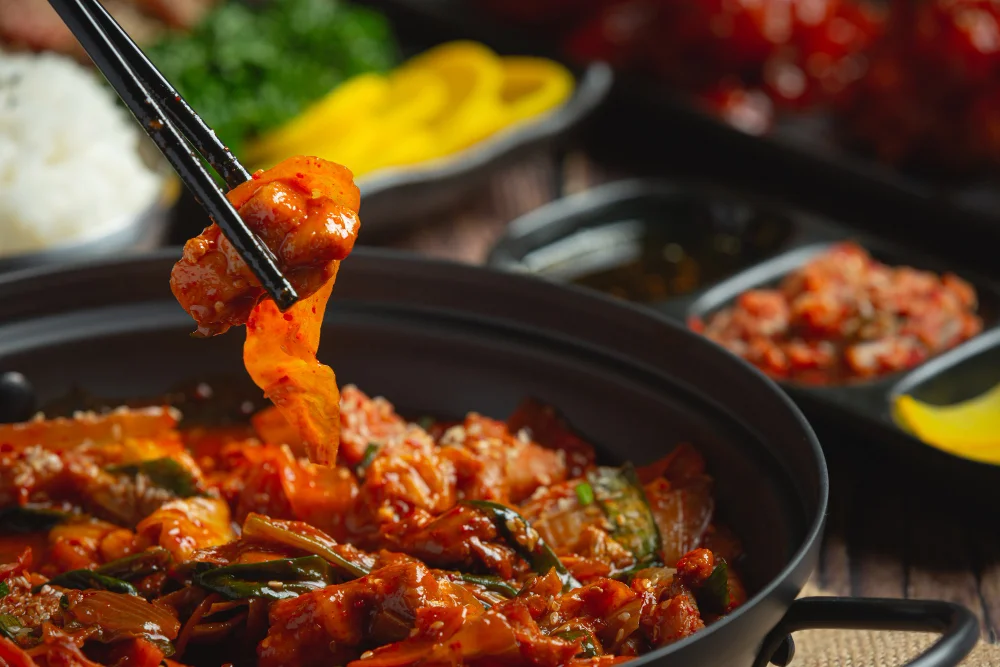
Why Kimchi Is Served With Every Korean Meal in Jackson WY
Walk into any Korean restaurant, and you'll spot small dishes of vibrant red vegetables on every table. That's kimchi, the fermented side dish that defines Korean cuisine. From Seoul street vendors to upscale restaurants in Jackson Hole, kimchi appears alongside nearly every Korean meal. This fermented cabbage dish has earned its place as the most recognizable element of Korean Food in Jackson Hole & worldwide.
Kimchi represents more than just a side dish in Korean culture. This fermented vegetable preparation appears at breakfast, lunch, and dinner tables across Korea. Its popularity stems from centuries of tradition, incredible versatility, and a distinct flavor profile that complements virtually any Korean dish. Understanding kimchi opens the door to appreciating Korean cuisine as a whole.
Text
What Is Kimchi?
Kimchi is a traditional Korean side dish made by salting vegetables, seasoning them with aromatics and spices, and letting them ferment.
Kimchi is best known for three core parts:
Cabbage: Napa cabbage is the most common base. The leaves are salted to draw out water and create the crisp texture that kimchi is known for.
Seasoning: Classic seasoning often includes garlic, ginger, scallion, and Korean chili flakes (gochugaru). Many recipes also include a small amount of fermented seafood or seafood-based seasoning for deeper umami, though styles vary widely.
Fermented: After seasoning, kimchi rests and ferments over time. Fermentation is what creates its signature tang and complexity.
Kimchi is not limited to only cabbage. There are several types of kimchis such as radish, cucumber, and scallion kimchi, which are enjoyed widely among Korean food lovers. Each variety shares the same idea: vegetables seasoned boldly and transformed through fermentation with which many dishes were created like Kimchi Rice Balls & Kimchi Pancake etc.
What Does Kimchi Taste Like?
The taste of kimchi often depends upon the fermentation time and specific ingredients, but certain characteristics remain consistent. The initial taste hits with tanginess from the fermentation process. This sourness resembles pickled vegetables, but with greater complexity. Fresh kimchi offers mild acidity that intensifies as fermentation progresses.
The texture provides a satisfying crunch when properly prepared. Fresh kimchi maintains cabbage's natural crispness, while older kimchi softens slightly but retains a pleasant texture. Each bite delivers layers of flavor that unfold gradually. The combination creates an eating experience that keeps people returning for more.
Heat levels vary significantly between different kimchi preparations. Traditional recipes often pack serious spice from generous amounts of red pepper flakes. Modern variations range from completely mild versions without any pepper to extremely spicy preparations that challenge even experienced spice lovers. Most restaurants offer medium-spice kimchi that provides warmth without overwhelming other flavors.
What Does Kimchi Taste Like?
The taste of kimchi often depends upon the fermentation time and specific ingredients, but certain characteristics remain consistent. The initial taste hits with tanginess from the fermentation process. This sourness resembles pickled vegetables, but with greater complexity. Fresh kimchi offers mild acidity that intensifies as fermentation progresses.
The texture provides a satisfying crunch when properly prepared. Fresh kimchi maintains cabbage's natural crispness, while older kimchi softens slightly but retains a pleasant texture. Each bite delivers layers of flavor that unfold gradually. The combination creates an eating experience that keeps people returning for more.
Heat levels vary significantly between different kimchi preparations. Traditional recipes often pack serious spice from generous amounts of red pepper flakes. Modern variations range from completely mild versions without any pepper to extremely spicy preparations that challenge even experienced spice lovers. Most restaurants offer medium-spice kimchi that provides warmth without overwhelming other flavors.
Why Kimchi Comes With Almost Every Korean Meal
Many diners wonder, "Why is kimchi served with every meal in Korean cuisine?" The short answer is balance and tradition.
To balance flavours, Korean meals often include rich, savory, or grilled items, plus rice and soup. Kimchi cuts through heavier flavors with acidity and crunch, helping the meal feel lighter and more complete. The contrast works especially well with roasted or pan-seared dishes because kimchi resets the palate between bites.
Moreover, traditionally, kimchi is a cultural staple, not a special-occasion item. It is served alongside meals, as bread or salad might be in other cuisines. In many Korean meals, kimchi is one of several small side dishes (banchan) served on the table to complement the main dish. That tradition explains why kimchi appears so consistently across menus and home cooking.
There is also a practical history behind kimchi’s everyday role. Fermenting vegetables was a way to preserve produce through colder seasons. Over time, preservation evolved into preference, and the flavors became inseparable from the identity of Korean cuisine.
Is Kimchi Healthy?
Kimchi offers several nutritional benefits without requiring dramatic health claims. The fermentation process creates probiotics, beneficial bacteria that support digestive health. These naturally occurring probiotics develop during fermentation without any additions or supplements.
Cabbage provides fiber and vitamins while remaining low in calories. A typical serving contains minimal fat and reasonable sodium levels when consumed in moderation. The vegetables retain nutrients through fermentation, making kimchi a flavorful way to increase vegetable intake.
Regular kimchi consumption fits well into balanced diets. The fermented vegetables add variety to meals without excessive calories. Many people find that kimchi's bold flavors help them feel satisfied with smaller portions of heavier foods.
Is Kimchi Good for First-Time Korean Food Eaters?
Kimchi is often a great starting point, especially when approached in small portions. For first-time diners exploring Korean cuisine, kimchi offers a quick understanding of the classic Korean flavor profile: savory, bright, and layered.
A simple approach works well:
- Start small: A bite or two is usually enough to understand the flavor.
- Choose mild when possible: Some versions are less spicy and more tang-forward.
- Pair with familiar bites: Kimchi is often easiest to enjoy with rice and grilled dishes because the flavors balance naturally.
Kimchi is optional, not mandatory. Korean meals offer many flavors, and kimchi can be enjoyed gradually over time as tastes develop.
Try Kimchi at Bapp Korean Restaurant
Kimchi remains Korea’s most famous side dish because it is practical, traditional, and genuinely enjoyable with almost any meal. For diners looking for kimchi in Jackson hole, Bapp Korean Restaurant offers Korean food in Jackson Wyoming where kimchi plays its proper role: a bold, balanced side that completes the table. To explore kimchi styles, spice levels, and menu pairings, contact Bapp Korean Restaurant or visit in person to experience how kimchi elevates classic Korean dishes.
FAQs
What is kimchi made of?
Kimchi is usually made with napa cabbage, salt, garlic, ginger, green onion, and Korean chili flakes (gochugaru). Some versions include radish, cucumber, or seafood-based seasoning.
What does kimchi taste like?
Kimchi can taste tangy (slightly sour), savory, garlicky, and sometimes spicy. Fresh kimchi is brighter and crunchier, while aged kimchi is more sour and deeper in flavor.
Is kimchi always spicy?
No. Some kimchi is spicy, but there are mild versions with little or no chili. The spice depends on the recipe.
How is kimchi served?
Kimchi is most often served cold or cool as a side dish (banchan) with rice, soups, noodles, and grilled meats. It’s also used in cooking like fried rice, stews, pancakes, and dumplings.
Why is kimchi served with every meal?
Kimchi adds crunch and acidity that balance rich or savory foods. It also has a long tradition in Korean dining, where meals are served with several small side dishes.
Why kimchi is good for you?
Kimchi is made from vegetables and fermentation. It can provide fiber and vitamins from the veggies, and beneficial bacteria (probiotics) from fermentation that may support gut health.
Does kimchi lose its benefits when cooked?
Some benefits can change. Cooking may reduce live probiotics because heat can kill them. But cooked kimchi still keeps fiber, flavor, and many nutrients, and it’s still a great way to eat more vegetables.
Why is kimchi safe to eat?
Kimchi is generally safe because fermentation creates an acidic environment that helps stop harmful bacteria from growing. Safe handling also matters—use clean utensils, store it in the fridge, and keep it sealed.
Why kimchi is famous in Korea?
Kimchi is famous because it’s deeply tied to Korean history and daily life. It’s served often, made in many styles, and matches well with many Korean foods. It’s also a big part of Korean culture, including traditional kimchi-making (kimjang).
How long does kimchi last in the fridge?
Kimchi can last for weeks to months in the refrigerator. Over time, it becomes more sour as it continues fermenting.
Can kids eat kimchi?
Yes, many kids can eat kimchi, especially mild kinds. It’s best to start with small bites since the taste can be strong and some versions are spicy.
Is kimchi vegan?
Not always. Some kimchi include fish sauce or salted shrimp. Vegan kimchi is common too—always ask or check ingredients.
What is the difference between fresh kimchi and aged kimchi?
Fresh kimchi is crisp and less sour. Aged kimchi is softer, tangier, and often used in cooked dishes like kimchi stew or fried rice.
Can you eat kimchi every day?
Many people do, in moderate portions. If you’re watching sodium or have digestive sensitivities, start small and see how you feel.
What does kimchi taste like when it is fresh vs. aged?
Fresh kimchi tends to be brighter, crunchier, and less sour. Aged kimchi develops a deeper tang and a more intense fermented flavor.
Why is kimchi served with every meal in Korean food?
Kimchi balances richer flavors with acidity and crunch, and it is a long-standing part of Korean dining tradition.


